What is NAD+?
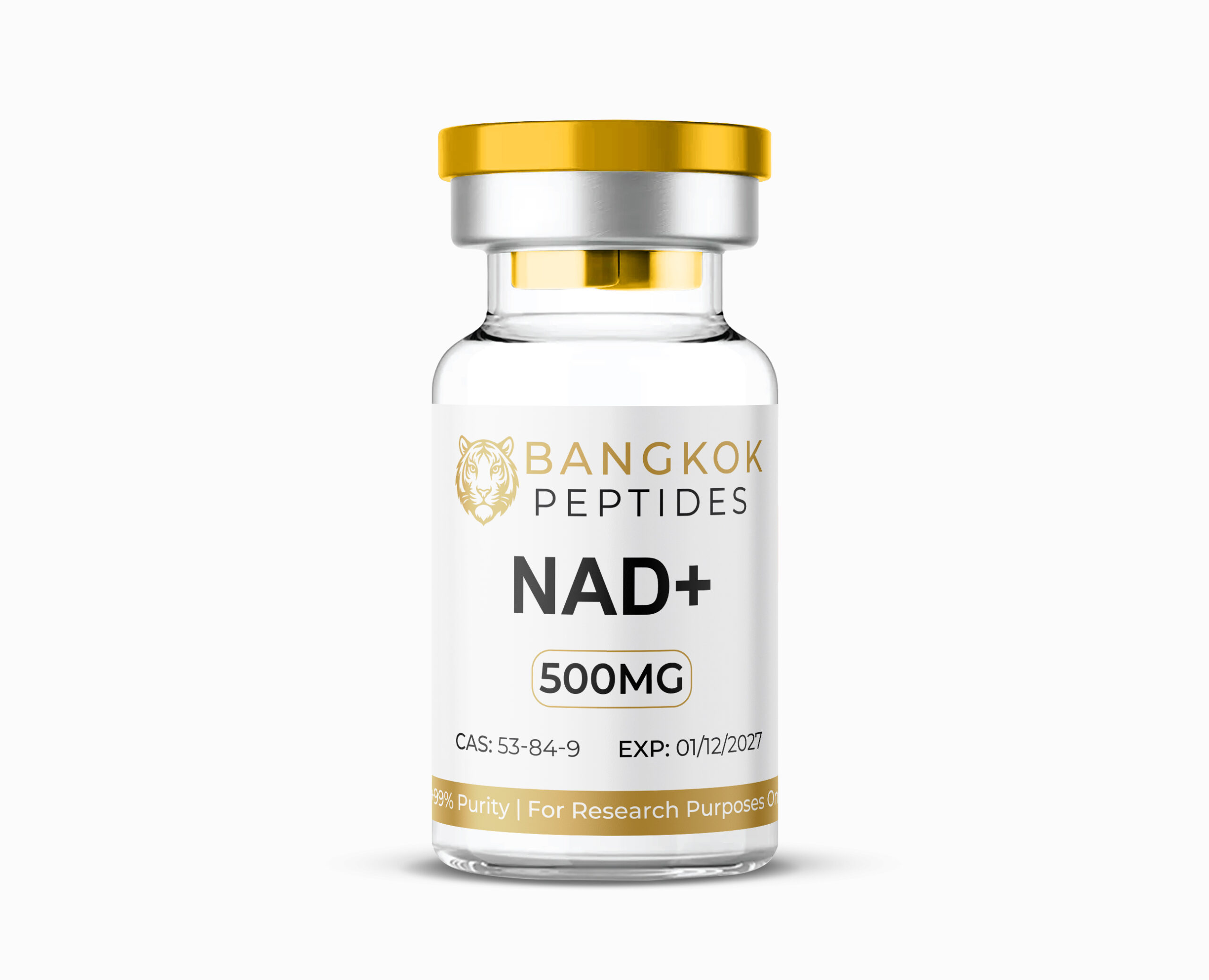
FDA identifies NAD+ as nicotinamide adenine dinucleotide in its communication about ingredients for sterile compounding. The NAD+ vial listing shows 500mg / 1000mg variants. The chemical name and those catalogue amounts identify different things: a named substance in the communication and the presentations listed here. FDA sterile-compounding communication.
The catalogue category does not change that chemical identity into a peptide description. Nor does the NAD+ name establish that a supplier ingredient is suitable for sterile compounding. That suitability question is the specific focus of the FDA warning. FDA sterile-compounding communication.
Food-grade ingredients and sterile compounding
FDA warns that food-grade ingredients require appropriate processing before sterile compounding because microbial and endotoxin contamination can harm patients. The warning concerns the suitability and processing of ingredients for that context. A familiar chemical name does not by itself resolve those material requirements. FDA sterile-compounding communication.
This is not evidence that the particular NAD+ vial in this catalogue contains contamination. It is a defined risk statement about ingredients and sterile compounding. Moving from that general communication to an accusation about an individual supplier item would go beyond what the source establishes. FDA sterile-compounding communication.
NAD+ injectable side effects reported to FDA
FDA reports severe chills, shaking, vomiting and fatigue after NAD+ injectable drugs, with some reports requiring medical treatment. The agency says the reactions were consistent with excessive endotoxin levels. Those reports do not establish a laboratory finding for this catalogue vial. FDA sterile-compounding communication.
The separate NAD+ Pen has a 500mg catalogue amount. Its identity and the vial's 500mg / 1000mg variants do not establish sterility, matching formulation or equivalent performance. FDA sterile-compounding communication.