PEPTIDES IN THAILAND · LEGAL GUIDE
Are Peptides Legal in Thailand? Rules & Buying Checks
Whether a peptide product is legal in Thailand depends on the exact product and activity. Thai FDA distinguishes finished medicines, active pharmaceutical ingredients and drugs imported for specific purposes. For medicinal supply, product registration and the licensed sales route matter. Carrying medicine as a traveller is a different question from ordering it by post. This guide explains those distinctions without treating every peptide as automatically legal or illegal.
Sources and catalogue records checked: 9 November 2026
Are peptides legal in Thailand? Start with the exact product
“Peptide” alone does not settle the questions in the Thai FDA framework. The regulator’s definition of drugs includes substances intended to treat disease or affect bodily health, structure or function. Applying that definition to a particular product requires its actual facts; a compound name by itself does not classify every product carrying that name.
The next distinction is what you intend to do: obtain a finished medicine for treatment, import an active pharmaceutical ingredient, bring personal medicine while travelling, or import a drug for a specific purpose such as analysis. Those are separate routes in the official guidance. An answer about one should not be reused as permission for another.
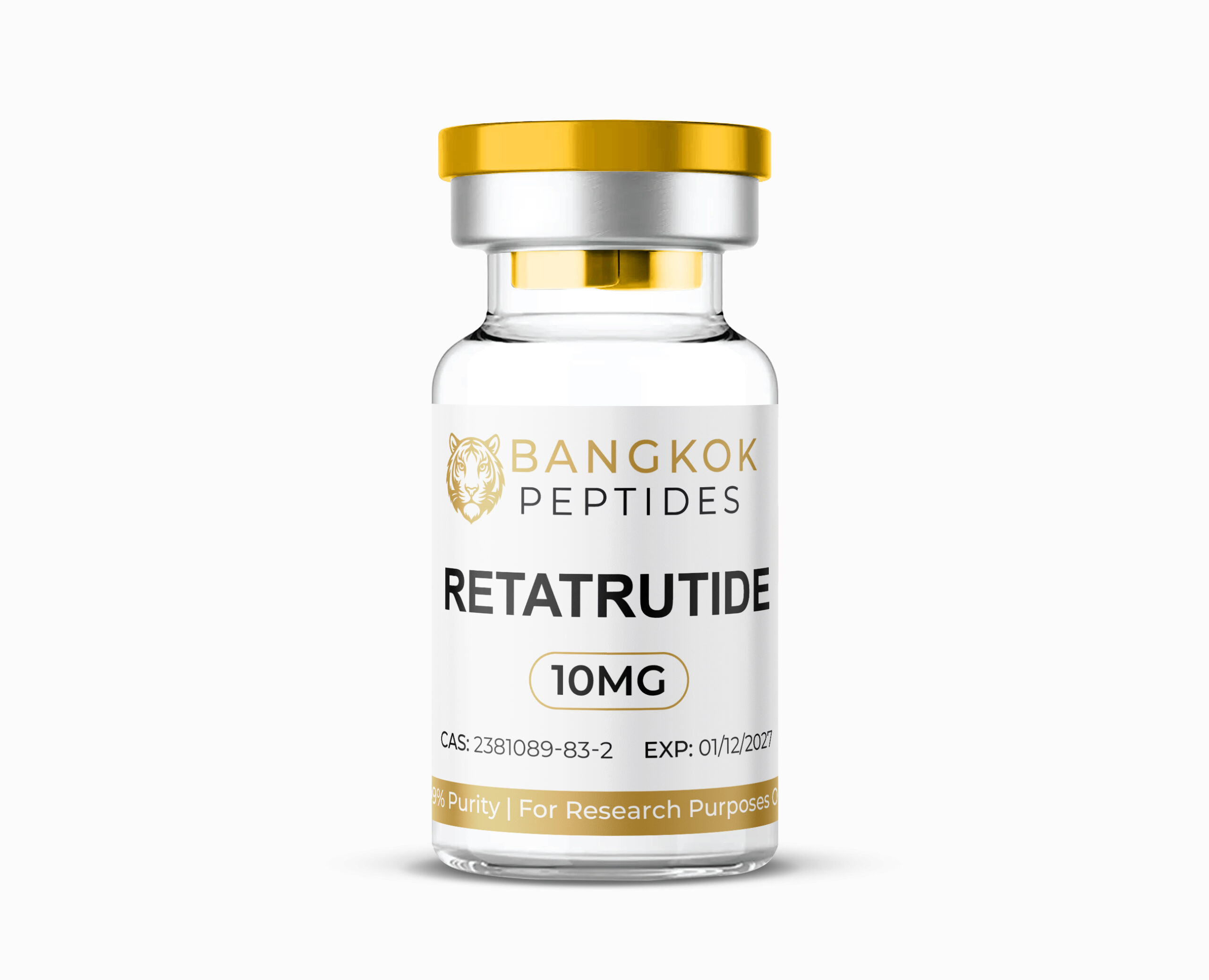
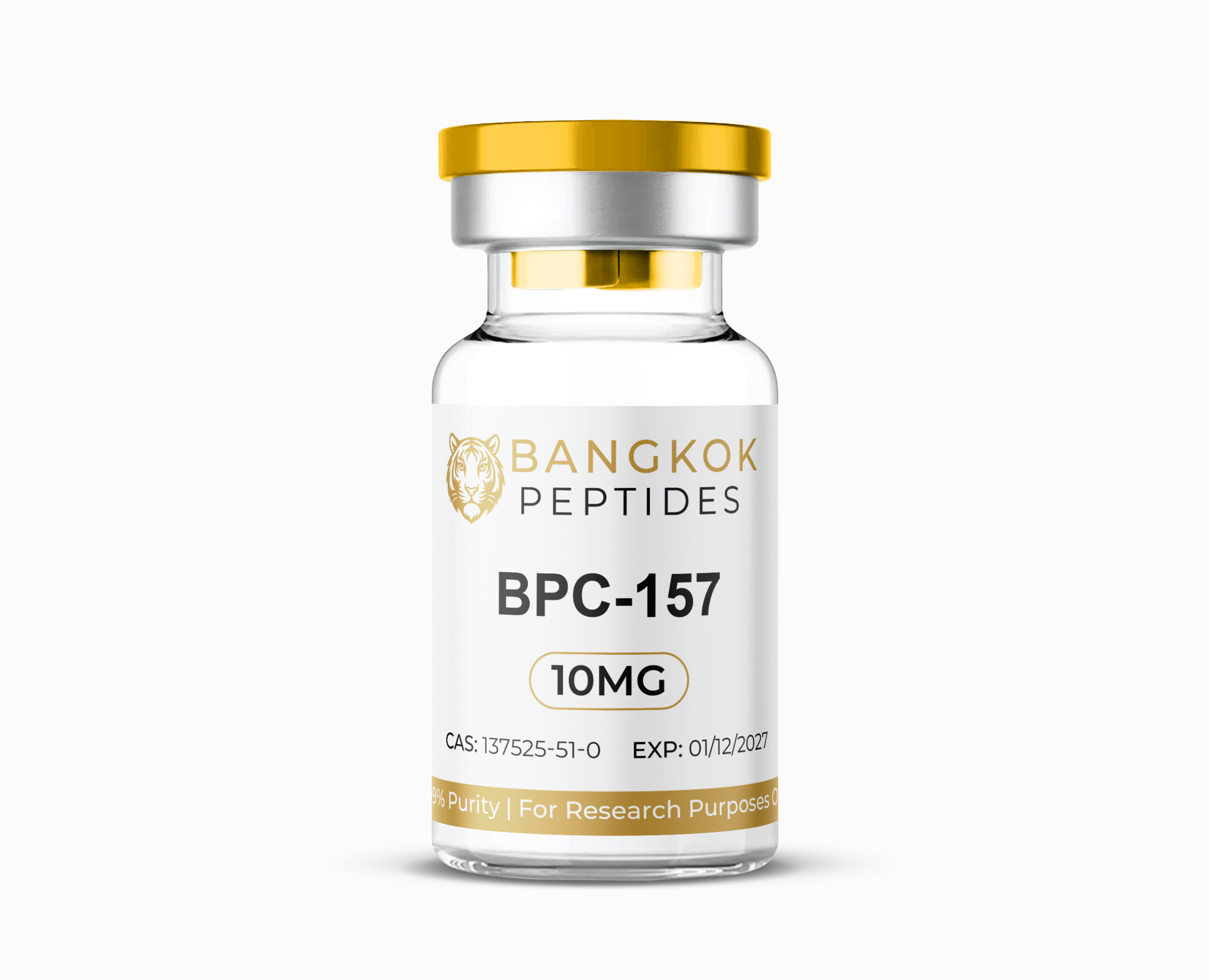
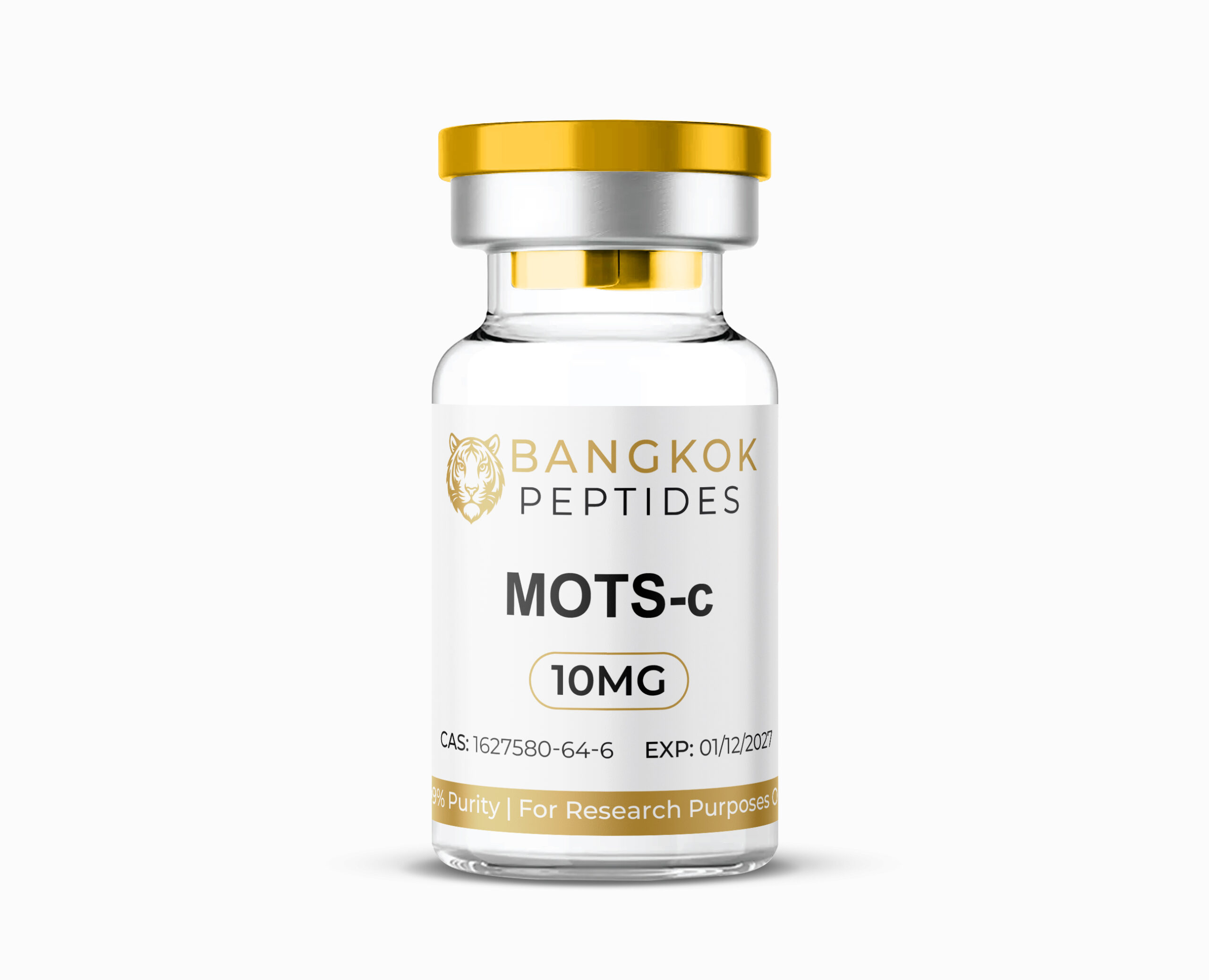
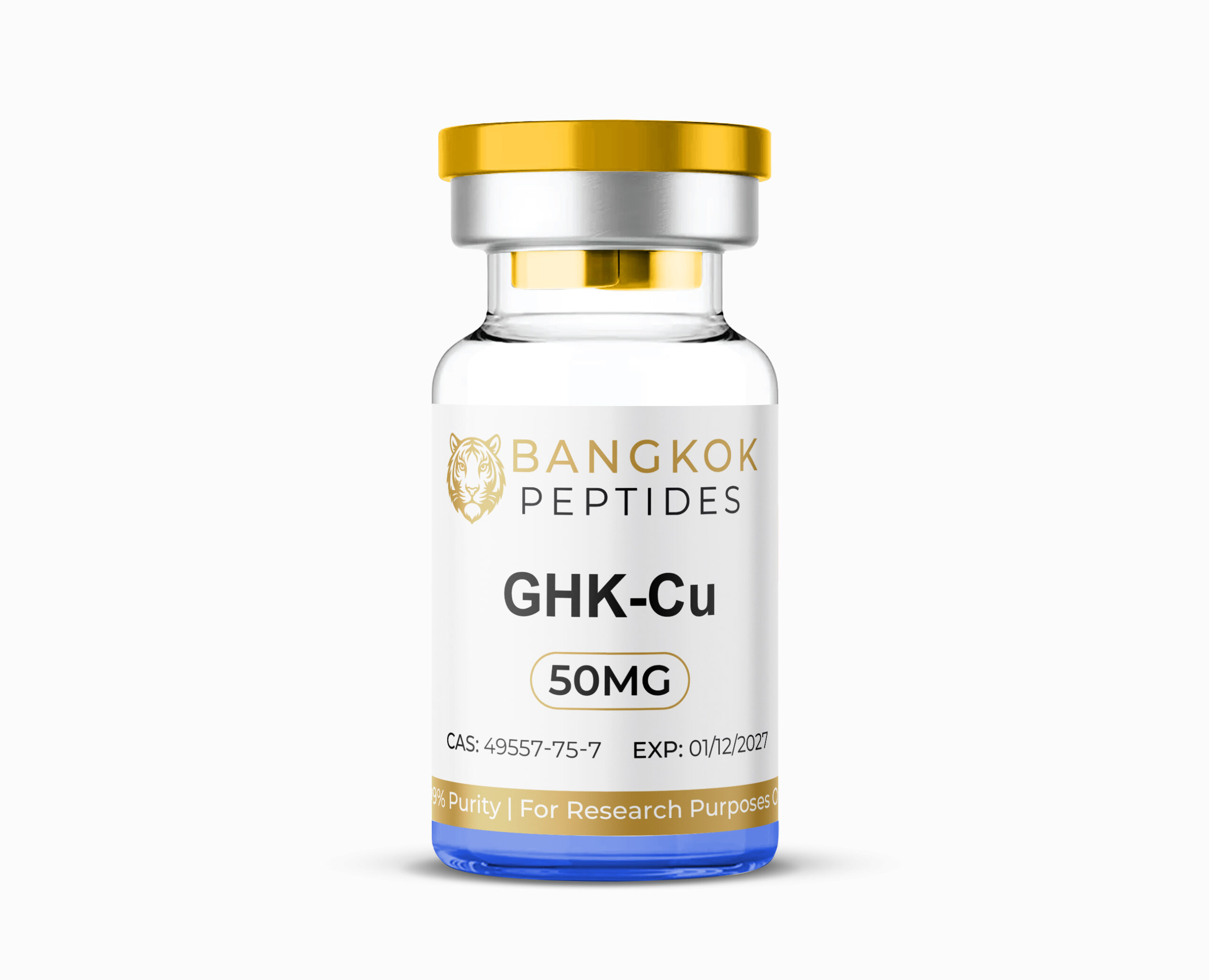
Before choosing a route, record the exact product trade name, manufacturer, formulation and intended activity. Use that identity for the product and facility checks below. This guide does not assign a legal-status badge to any Bangkok Peptides catalogue listing.
Finished medicines, ingredients and research imports follow different procedures
Thai FDA’s approval guidance states that finished pharmaceutical products for human or animal use require registration before manufacture or import, subject to its stated special-purpose provisions. Active pharmaceutical ingredients are addressed separately: the guidance requires notification before their manufacture or import.
The same guidance lists specific procedures for drug imports used as registration samples, in clinical trials, for analysis, for donation and for exhibitions. These procedures have their own notified conditions. They should not be collapsed into a general statement that a research label creates permission to import anything.
For a medicine purchase, Thai FDA directs consumers to its Health Products Search to check the trade name. Compare the exact product rather than treating a result for a similar compound or another manufacturer as the same registration. If the desired medicine trade name is unavailable in Thailand, the regulator recommends consulting a hospital doctor about an alternative.
Can you purchase peptides over the counter in Thailand?
Do not assume that all products described as peptides share one over-the-counter rule. Thai FDA requires approval for retail or wholesale drug sales establishments and states that a licensed drug facility must have a pharmacist present and on duty. Those facility requirements are separate from the prescription controls applying to a particular medicine.
A concrete example is injectable GLP-1 medicines. Thai FDA announced that the covered injectable GLP-1 medicines became specially controlled drugs on 15 September 2026. Its announcement says their sale at modern pharmacies requires a doctor’s prescription and supply by a pharmacist.
That class-specific rule is not a classification of every peptide, every oral formulation or a research-labelled product with a related compound name. Establish the exact medicine and dispensing route instead of applying either “all prescription-only” or “all over the counter” to the whole category.
Bringing medicine into Thailand is different from ordering it by post
Thai FDA describes a traveller exception for modern medicines carried into Thailand for personal use: no more than a 30-day quantity, in the original containers, with a doctor’s prescription. This is guidance for a traveller physically entering Thailand carrying medicine; additional controlled-substance requirements are separate.
The same personal-use guidance says ordering modern medicines into Thailand by post is not allowed. A traveller allowance therefore should not be presented as a postal-order allowance. This statement concerns the regulator’s consumer personal-use guidance, not a claim that licensed commercial pharmaceutical import is universally prohibited.
The traveller exception does not establish an import route for an unclassified research vial. If your question is about taking a product out of Thailand to another country, the Thai inbound-traveller guidance does not answer that destination’s requirements. Identify the route and destination before relying on an import answer.
A supplier listing or COA is not a Thai FDA registration entry
Our catalogue contains supplier product identities and linked sample-report fields. Thai FDA’s registration and facility checks concern different records. A supplier listing, a research-use label or a sample document does not itself provide the matching Thai FDA product-registration entry or facility-licence record described in the official process.
Keep the questions separate when comparing a purchase: What is the exact product? What regulatory route applies to the intended activity? Which product or establishment entry supports a medicine transaction? Which named sample does a laboratory document concern? A report’s recorded batch is not a replacement for the first three checks.
For buying context, continue to the Thailand buying guide. It separates a medicine-supply decision from comparing Bangkok Peptides catalogue options and prices, and links back to the official checks rather than treating a merchant destination as regulatory evidence.
A practical checklist before buying or importing
Write down the exact product identity and intended activity first. For medicines, compare the trade name in the official product search and use the drug-establishment resources for the sales route. For a covered injectable GLP-1 medicine, retain the prescription and pharmacist-supply requirement rather than relying on a broad “peptides” label.
For an inbound personal-medicine journey, use the traveller conditions only when that is your actual route. Do not reuse them for a postal order, commercial shipment or unclassified research item. The official guidance separates those situations, and so should the decision you document.