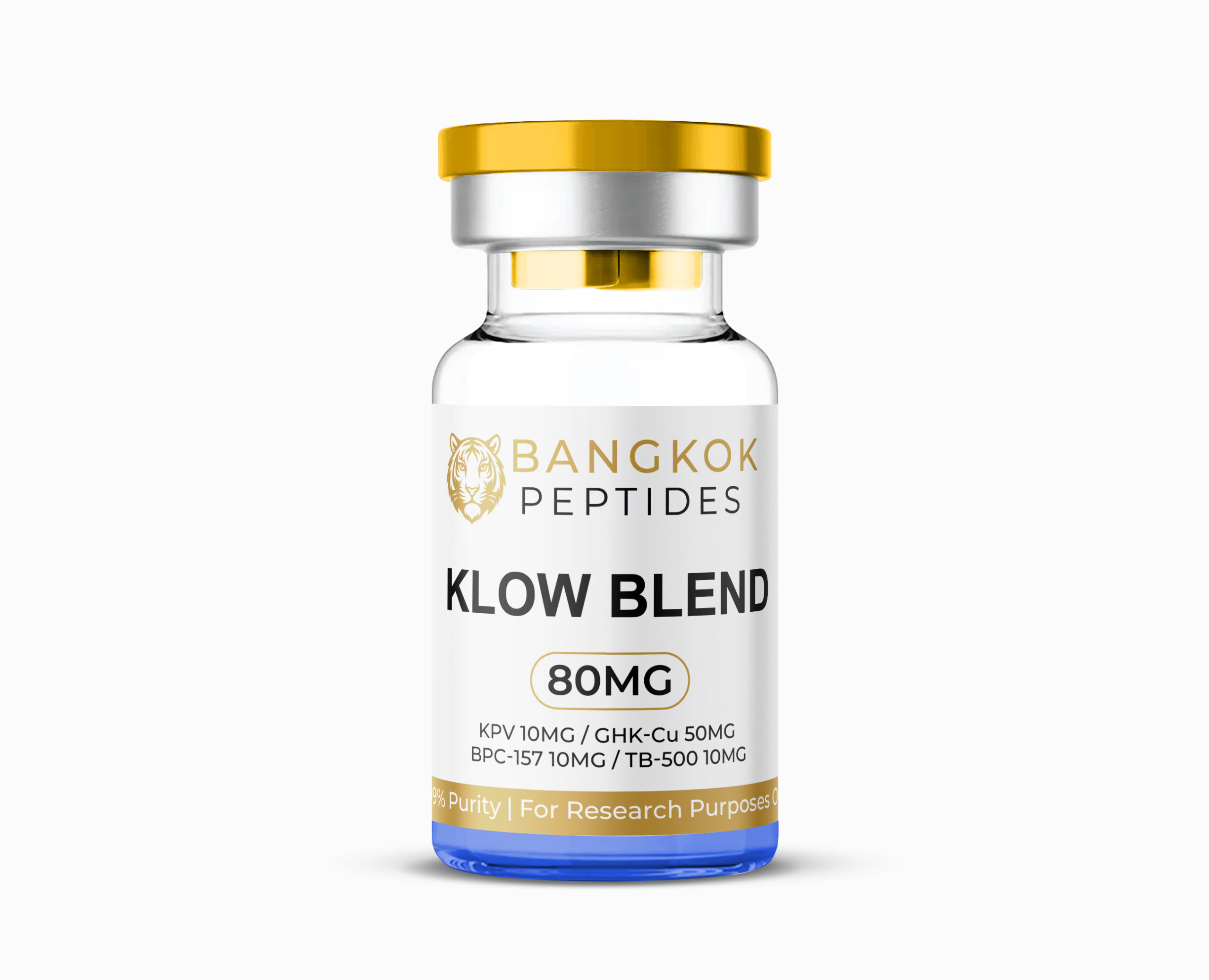
KLOW vial label ingredients
The photographed KLOW Blend 80MG vial prints KLOW BLEND; 80MG; KPV 10MG / GHK-Cu 50MG; BPC-157 10MG / TB-500 10MG. This documents four named component amounts on one particular label. It does not independently verify the contents or describe a different KLOW presentation. Label photograph.
The 80MG catalogue amount is a presentation total, not a concentration or clinical instruction. Each printed component leads to a different evidence question. The references below describe those distinct settings, rather than a study of the four-component KLOW vial. Label photograph, KPV intestinal-cell and mouse study, GHK-Cu rat wound study, FDA BPC-157 assessment, FDA TB-500 assessment.
KPV intestinal and topical research
FDA identifies KPV as the three-amino-acid peptide lysine-proline-valine. Its July 2026 briefing evaluated proposed topical cream and gel uses for wound healing and inflammatory conditions. Those proposed uses are the scope of an assessment, not established benefits of this blend. FDA KPV assessment.
A 2008 paper used human intestinal epithelial cell lines and Jurkat T cells, found uptake through PepT1 in intestinal epithelial and immune cells, and also studied chemically induced colitis in mice. These cell and animal settings add specific research context for KPV. They do not demonstrate how KPV acts when combined with the other three names on this label. KPV intestinal-cell and mouse study, Label photograph.
GHK-Cu, BPC-157 and TB-500 research
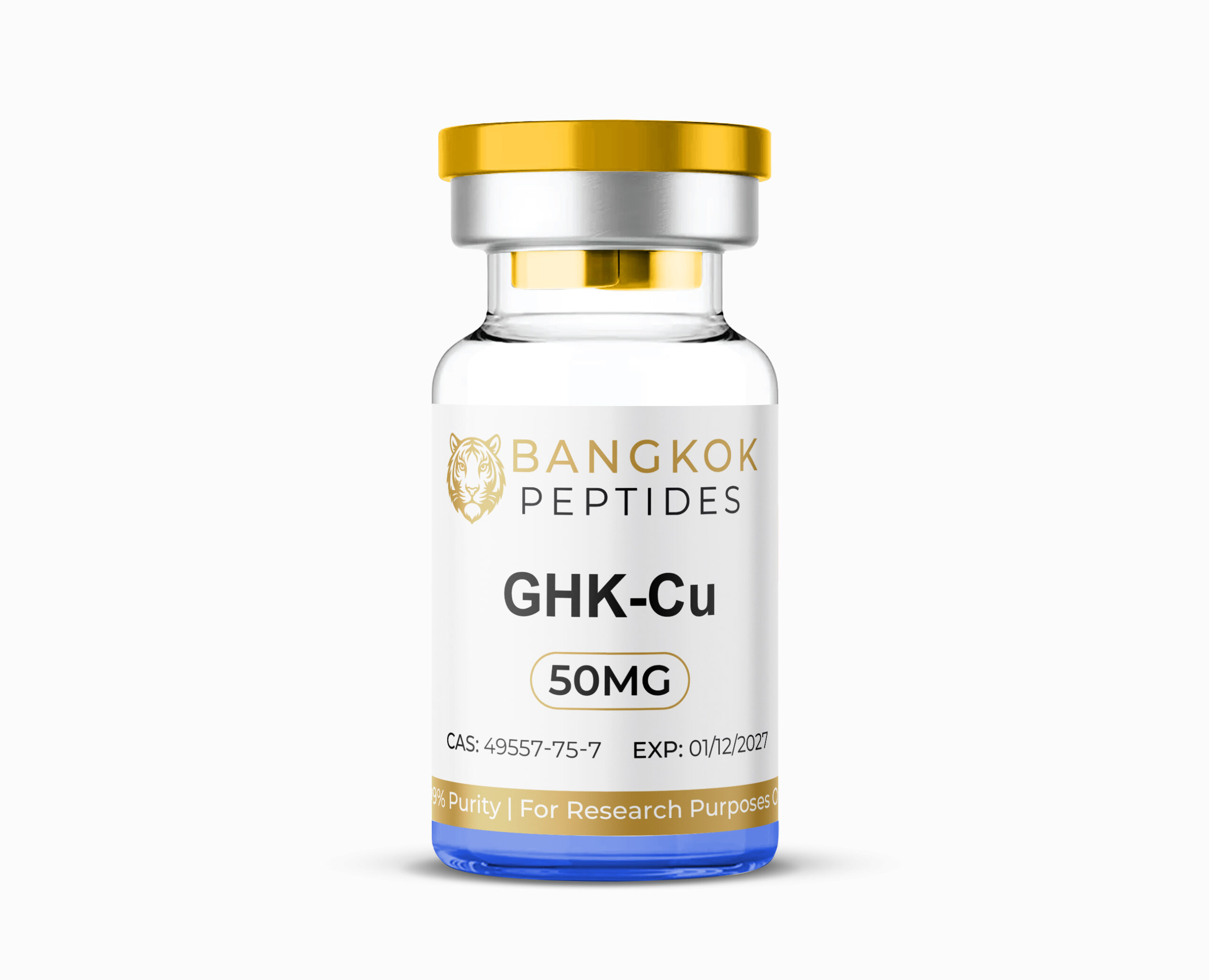
The 1993 GHK-Cu study describes a copper complex of glycyl-L-histidyl-L-lysine. It compared that complex with saline in implanted rat wound chambers and reported increased collagen and glycosaminoglycan content. These are animal tissue endpoints, not clinical skin or healing outcomes for the KLOW vial. GHK-Cu rat wound study.
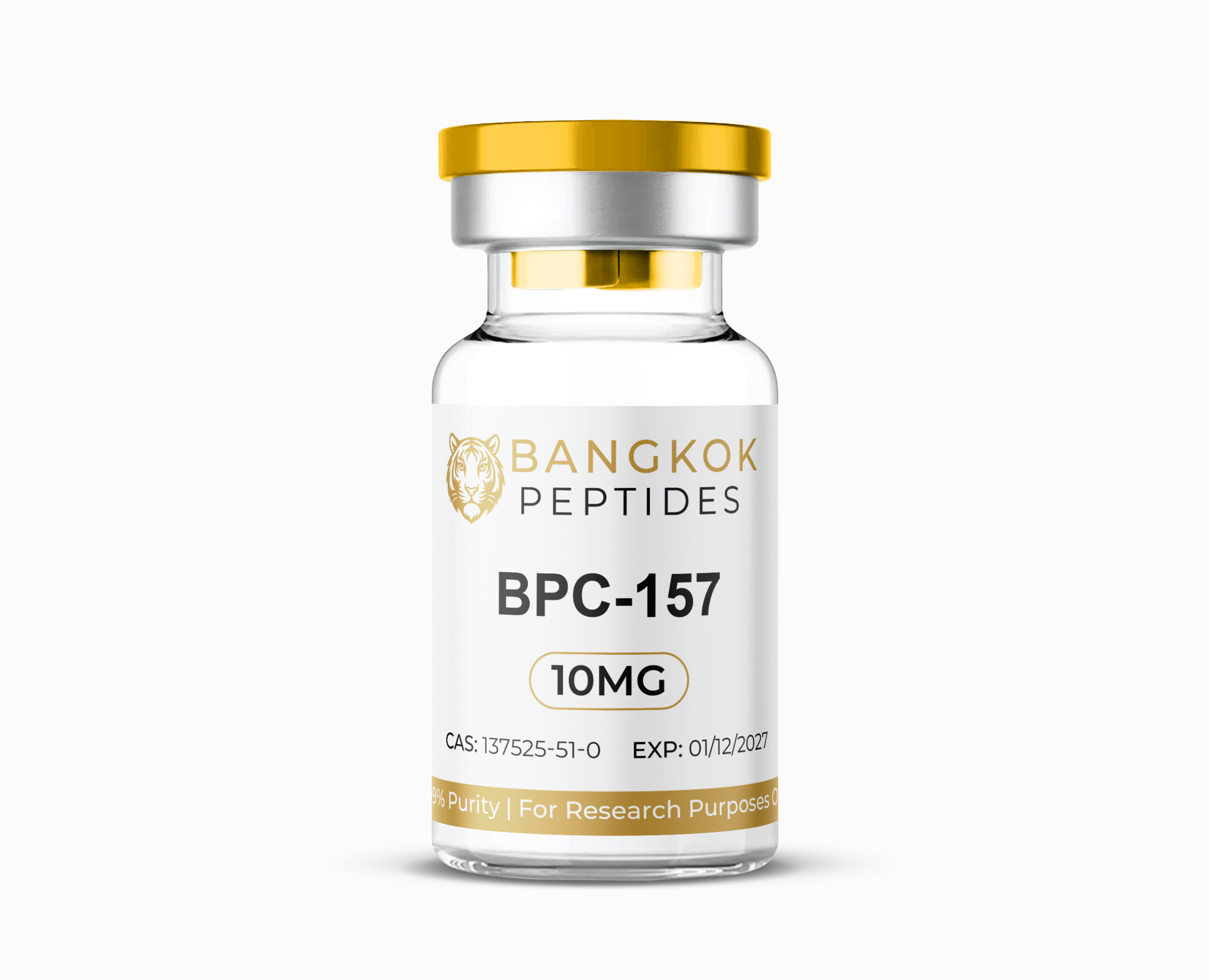
FDA's July 2026 BPC-157 briefing describes the evaluated free base as a 15-amino-acid fragment of BPC. The review found reported ulcerative-colitis enema data inadequate to support efficacy and safety for that use, and distinguished that enema from the nominated suppository. Neither the free-base definition nor that inadequate report establishes a blend effect. FDA BPC-157 assessment.
TB-500 is described by FDA as an N-acetylated synthetic seven-amino-acid fragment of thymosin beta-4. The briefing says non-acetylated LKKTETQ pharmacology cannot be directly transferred to TB-500, and the July 2026 review did not identify human clinical studies administering TB-500. A parent-protein or differently modified fragment reference cannot substitute for that exact component. FDA TB-500 assessment.
KLOW blend benefits and safety limits
These references do not test one common intervention. Intestinal cells, mouse colitis, rat wound chambers and a reviewed enema report are different experimental or assessment settings. Their findings cannot be assembled into evidence that the four printed components produce synergy or a clinical benefit when combined in this supplier presentation. KPV intestinal-cell and mouse study, GHK-Cu rat wound study, FDA BPC-157 assessment, Label photograph.
FDA's GHK-Cu warning is specific to compounded injectable routes and potential immune-response risks from aggregation and peptide impurities. For compounded BPC-157, FDA separately identifies potential immune-response risks, peptide impurities and active-ingredient-characterization difficulties. FDA compounding safety communication.
The KLOW pen is a separate label comparison. The four-component breakdown above belongs to the photographed vial, and the evidence about its named components must remain separate from any assumption about the pen or about a combined clinical effect. Label photograph.